Persona Mosaic – Based in London, Sophia Eleni is an acclaimed actress whose talents span film, television, and the stage.

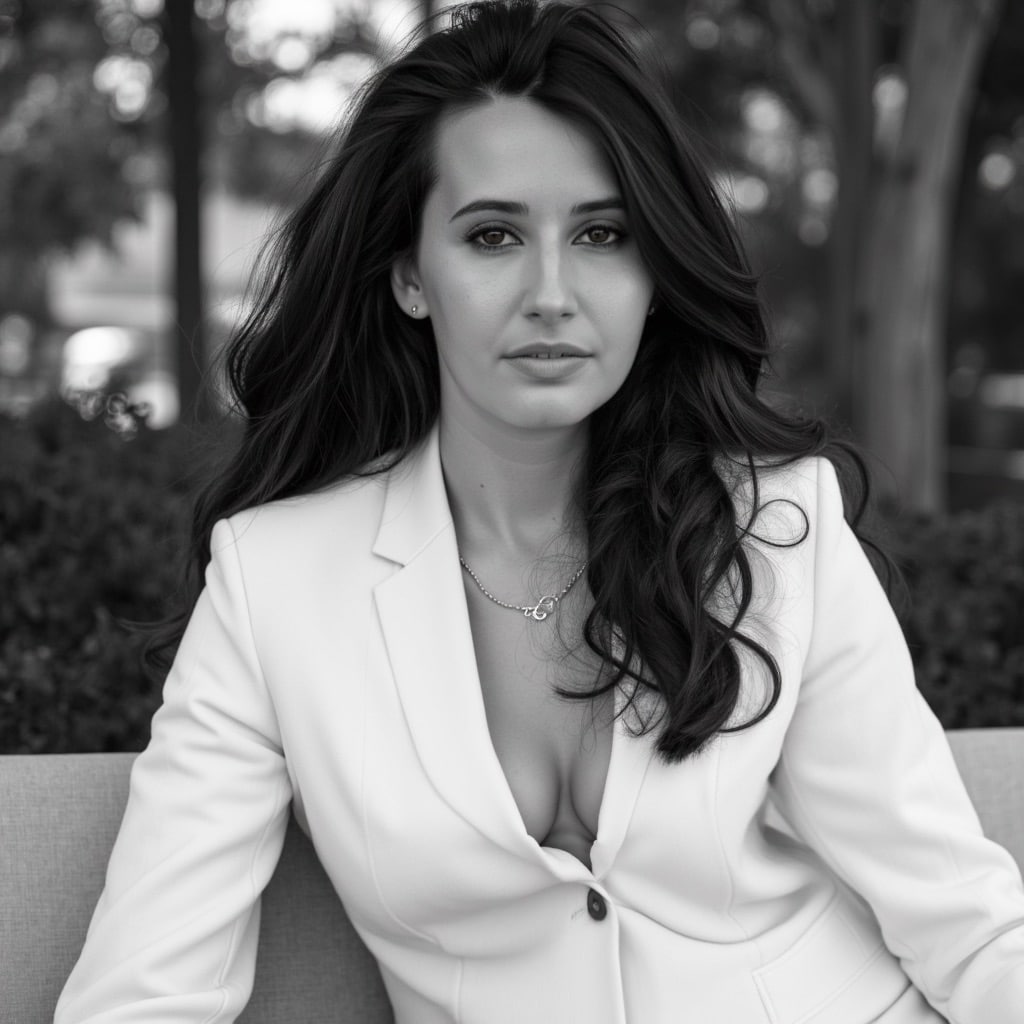
Sophia Eleni‘s creative journey has seen her collaborate with leading studios such as the BBC, FOX21, and Paramount. Sophia made a striking entrance to the West End, earning critical praise for two solo performances.

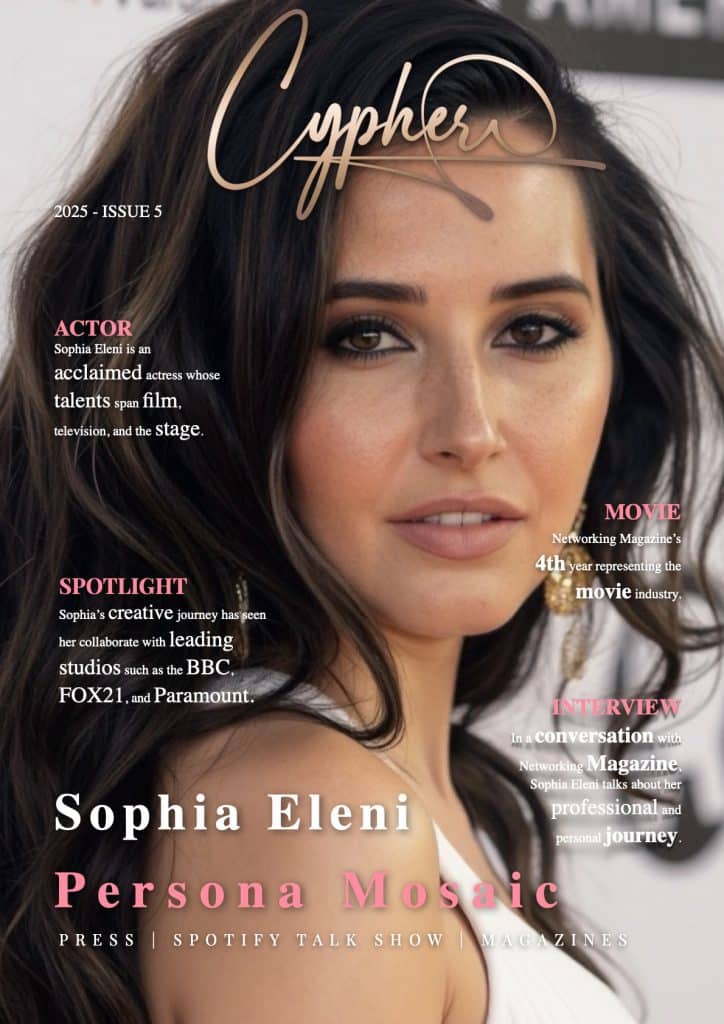
For most people, a good thriller or horror film is all about that heart-racing excitement and a proper scare. These are the films you put on when you want to be kept guessing—packed with suspense, jumpy moments, and twists you never saw coming. Whether it’s a creepy supernatural tale or a tense psychological drama, they deliver a real adrenaline rush—especially if you’re watching with mates and can share a few laughs (or screams). It’s all about enjoying those nerves and chills, safe in the comfort of your own sofa.
Of course, there’s no denying that CGI and all the latest tech make films look incredible these days. Slick effects and clever camera angles can really set the scene. But at the end of the day, it’s believable characters that make a story stick with you. That’s where Sophia Eleni truly shines.
Sophia Eleni – Standout Performance
Meet Sophia Eleni—the rising star everyone’s talking about after her standout performance in the spine-tingling horror flick Bone Keeper. Just this morning, a photo of Sophia at the Glasgow Film Festival landed on my desk. What caught my eye wasn’t the usual red carpet glamour, but her expression—she absolutely radiates pride in her achievement. And who can blame her? She’s earned every bit of it.
With her infectious energy and down-to-earth charm, Sophia is quickly becoming an actress to watch—not just for her talent, but for the warmth she brings both on and off screen.
London
Born and raised in London, Sophia’s love for performing was clear from the start. She trained at Rose Bruford College of Theatre & Performance and The Estonian Academy of Music & Drama, perfecting her craft and developing the versatility that’s now her trademark. After a series of impressive roles on stage and TV—including memorable appearances in BBC’s Casualty—Sophia landed her breakout film role in Bone Keeper, a tense supernatural thriller that put her right at the centre of the action.
In Bone Keeper, Sophia plays a determined and resourceful lead, handling both the psychological twists and the physical demands of a horror movie with real skill. With this milestone under her belt, Sophia Eleni is clearly poised for even bigger things. As she takes on new challenges and unexpected roles, one thing is certain: Sophia is a force to be reckoned with, and her journey is only just getting started.
Sophia Eleni – Early Moments
What first inspired you to pursue acting, and were there pivotal early moments?
I think it started with an interest in people and their behaviours. I was always an intuitive and emotionally sensitive child, and acting gave that instinct somewhere to live. I’ve always believed our early experiences shape us, and acting became a way of transforming mine into something purposeful. One pivotal moment came early in training, when I realised that presence, stillness and listening could be far more powerful than pushing for size. That’s when I understood that authenticity — especially on screen — is the most compelling thing to watch.
Training
How did your training in both London and Estonia influence your approach to performance, and what key lessons have stayed with you throughout your career?
I started training from a very young age, around six, and then went straight to drama school once I’d completed my formal education. London gave me a rigorous, theatre-led foundation — discipline, stamina, and the technical craft of building a performance. Estonia stayed with me in a different way. It was where I properly dipped my toe into screen and voice work, and I fell in love with it immediately — it was exhilarating and felt like a calling. I often regard Estonia as the foundation of my work in screen and voice acting.
Sophia Eleni – Challenges
Can you share a few standout challenges or breakthroughs that marked turning points in your transition from stage to screen and voice acting?
One of the biggest challenges in moving from stage to screen was scale. On stage, you’re trained to project and hold the back row; on camera, the smallest shift in thought can read as a huge moment. The breakthrough for me was trusting stillness — letting the inner life do the work rather than “indicating” it.
Voice acting was another turning point, because you don’t have the support of your face or full physicality in the same way — everything lives in breath, intention and rhythm. You’re often working alone in the booth, which means relying far more on imagination and visualisation. I like to think of the microphone as a close-up camera! Once I treated it as full acting rather than “just voice,” it unlocked a whole new level of freedom and specificity.
The Voice Of Aava
You’re the voice of Aava, the lead character in the hugely successful survival-climbing game Cairn, which recently won an award at Tribeca in New York. What drew you to the project, and how did you prepare to bring such a central character to life?
I was immediately drawn to Cairn because it has real emotional integrity. The narrative grabbed me because it’s survival with soul. Aava is central to the story, and the writing treats her like a full human being — not a stereotype. I prepared by building her psychology first, then grounding it in the physical reality of climbing: breath, effort, timing, and the way determination sounds when you’re running out of strength. I wanted her to feel truthful — not performed.
Sophia Eleni – Bone Keeper
You play Nadia in Bone Keeper opposite John Rhys-Davies. What can you tell us about the role — and is there a moment from set that’s stayed with you?
Nadia is an interesting character because she genuinely wants to help her friends uncover the truth about this legendary creature in the caves — but she absolutely has her own agenda. She’s a scientist with a real curiosity for geology and biology, and she’s determined to be the first to work out what’s actually going on… partly because it could be the discovery of a lifetime and, yes, it would elevate her career. That makes her tough, prickly at times, and brilliantly unapologetic — she’s not here to soothe egos, and she’s especially sceptical of the men around her!
And of course, working opposite John was a masterclass in presence. He has that rare ability to make a scene feel alive through timing and stillness, and it raises your game instantly. John often improvised scenes, and we all just ran with it! Quite a lot of the takes in the film were the ones where we improvised, actually.
The crossroads of film, TV, and next-gen voice acting and performance capture
Your career sits at the crossroads of film, TV, and next-gen voice acting and performance capture. How do you adapt your acting process for each medium, and what unique challenges do they each present?
I adapt by keeping the same core truth, but changing the scale. On screen, it’s about restraint and specificity; in TV, it’s about consistency and speed; and in voice and performance capture, it’s about clarity – making the inner life audible and physical, even when you’re working in a booth or in a suit with no environment around you. I often say the microphone is like a film camera: it picks up nuance in exactly the same way.
The unique challenge across every medium is balancing technique with freedom. You have to be disciplined enough to meet the technical requirements, but free enough to stay alive and human in the moment.
Misconception
Performance capture and voice acting are rapidly evolving fields. What’s one misconception about this work that you’d love to set straight?
A common misconception is that performance capture and voice work are solitary or mechanical — that it’s “just voice,” or somehow lesser than on-camera acting. In reality, the tech only records what you give it. You’re doing full acting: intention, relationship, rhythm, breath, and emotional truth and often without the usual supports of set, costume, or even scene partners. It’s highly technical, but it’s still fundamentally human work.
And while you’re often in a booth or in a suit, frequently working alone, it’s deeply collaborative. You’re building a living character with writers, directors, animators, and designers — it’s acting that lives across an entire team, and then carries into new technology.
Technology and Storytelling
With technology and storytelling more intertwined than ever, where do you see the future of performance capture heading, and what excites you most about it?
I think games are becoming ever more cinematic – and the appetite for that kind of storytelling is only growing. What excites me is where performance capture is heading: more nuanced, actor-led work that feels as intimate as film, but inside immersive worlds audiences can actually step into, interact with, and actually alter narrative. That blend of emotional truth and interactive storytelling feels very current, and I believe it is paving the way for an exciting future in our creative industry!
The Entertainment World
The entertainment world often expects individuals to fit into certain “boxes.” How have you navigated the industry while staying true to yourself and your passions?
It can be frustrating, because the industry often prefers shorthand — it wants to understand you quickly, and that can turn into typecasting. For me, the answer has been clarity and consistency: choosing roles that genuinely excite me, staying focused on craft, and making sure my materials and public work reflect the breadth of what I can do. I’ve learned you can’t control the boxes people try to put you in, but you can control the story your work is telling.
Sophia Eleni – Advice
You’ve built momentum in your career outside of traditional routes. What advice would you give to other actors looking to carve their own path in the industry?
I’d say: focus on craft and creating momentum you can control. That means having materials that truly represent you, making work where you can (quality work – you at your best) and being strategic about how you’re seen. Keep your message clear: what you do, what you’re best at, and what lane you’re building.
And don’t underestimate consistency. One good performance helps, sure, but a pattern of strong work is what changes how the industry responds to you. Be patient with the timeline and ruthless about the quality!
Credits
Website cover photography – Jasper Quinn ©
Photography permissions obtained by Sophia Eleni ©
Join us on Spotify.
Contact the magazine.